|
|
|
|
||||||||||||||||||||||||||||||||||||||
| Small Carpathian Wine Route Association - Places on the Small Carpathian Wine Route - Download - Contact | |||||||||||||||||||||||||||||||||||||||||
|
Welcome to the Small Carpathian Wine Route
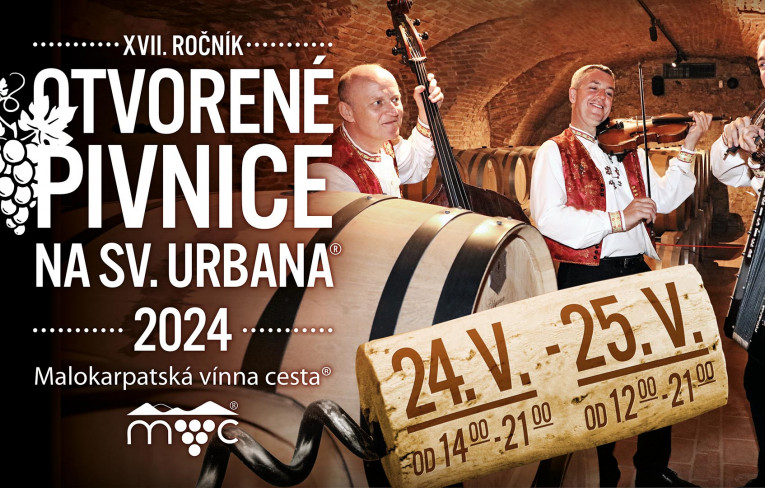
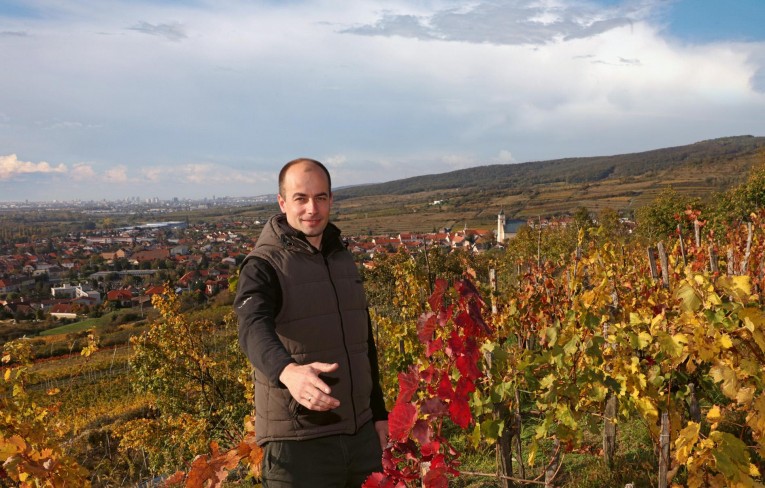
For most people travelling to Slovakia its capital Bratislava or the country’s unique world’s smallest Alpine mountain range High Tatra are the goals of their journey. But those who have the chance to travel around Bratislava never regret making a trip to the small cities and villages under the hills of the Small Carpathians. It takes just an hour drive eastwards from Vienna and you can encounter their beautiful scenery with vineyards and small towns at their foot similar to a string of pearls. Although small in size as the industrial development of the today’s capital Bratislava moved these towns to a margin of public life they are great in their silent beauty with traditions, architecture and folklore based on production of wine. Life in that region equals wine above all. Wine made local people to cut the woods on the slopes of Small Carpathians, to plant vine, to develop trades and crafts for making and storing wine but also to drinking it in a noble manner. Wine brought well being to the Small Carpathian towns of Pezinok, Modra and Svätý Jur and helped them to be granted the status of privileged royal towns in the beginning of the 17th century. Vintners’ traditions are now being revived by the Small Carpathian Wine Route Association, which puts forward the local crafts and culture relating to vine growing and winemaking but also wine drinking. Wine Routes are still something new in Slovakia and the Small Carpathian Wine Route - stretching from the centre of the Bratislava’s Old Town to the city of Trnava (by the way called also Slovakian or Little Rome due to its religious history and monuments) – is the only one which is marked and approaching by its standards to wine routes in other countries (Austria, Germany). Slovak wines are not known beyond the borders of the country. Slovakia produce 0.3 % of European wines and Slovaks are able to consume all wine they make. However, small amounts are exported, even to Japan. Some fifteen-twenty years ago Slovak wines were not very famous. Produced industrially in large amounts it were mainly sweet wines mixed of various sorts with high addition of beet sugar. Such wines were popular then and some remain even now, e.g. Nitrianske knieža (Knight of Nitra) or Kláštorné červené (Red from Monastery), which are served in some restaurants or pubs with low respect to wine. But it can hardly happen in facilities marked with small white boards reading Malokarpatská vínna cesta - Small Carpathian Wine Route. Wine served here is usually a quality dry sort wine grown in region of Small Carpathians, mainly Welschriesling, Riesling, Veltlin, Lemberger or St. Laurent. The best way to taste wine is to visit cellars of private vintners who started their business after the fall of Communism. Wine is stored in cellars. The cellars in Small Carpathian region differ from those in other parts of Slovakia as they are not located in vineyards but directly in the towns and villages. The largest cellars in Small Carpathians are to be found in village Častá. Those in the one of the most impressive Slovak castle Červený Kameň (known in past also as Bibersburg) are empty and one can only admire it and guess how much copper ore was stored here in the turn of Middle and New Ages when Fugger family owned the castle and manors around. The name Fugger is also connected with the wine cellar having the largest sitting capacity in the region. An old Fugger manor house is being reconstructed and the stone cellar is really impressive. But Small Carpathians are not only wine cellars. They offer a network of marked trails for half- and all-day hikes as well as for longer trips with sleeping in mountain hotels and chalets. The newest attraction for hikers is a round-view tower on the summit of Veľká Homola at the elevation 709.2 m above sea level. There are also about 40 – 50 km of narrow asphalt roads for biking through vineyards and woods, however not marked yet. For history lovers there is a chain of castles, ruins and historical reconstructions of old settlements from Bratislava to Smolenice (Devín, Bratislava castle, Biely Kameň in Svätý Jur, Červený Kameň, Molpír and Smolenice chateau) as well as museums in Pezinok, Modra and Svätý Jur. Svätý Jur itself is the best preserved town on the Small Carpathian Wine Route. Its centre was listed as Municipal Historical Memorial Preserve List in 1990. And not to forget something that attracts thousands of visitors to the region especially in the autumn. Vintage and popular feasts full of special drink of grapes just at the beginning of fermentation called burčiak (burchyyak) in Slovak, known as Sturm in German-speaking countries, of course, but not only this. Geese must fear for their lives as there is a village Slovenský Grob known for its famous goose feasts. Geese baked in a special local manner are served with thin potato pancakes called lokša (loksha), burčiak (storm) but also local quality wines. A popular phrase is that goose is served in any house in the village; nevertheless it is better to order the goose in advance in a recommended facility. Last but not least. A unique event in Slovakia is held in the mid November – Day of Open Cellars’ Doors - when dozens of wine cellars throughout along the entire route stretching for 40 km in the region from Bratislava to Trnava are accessible for public on Friday and Saturday afternoon. For 800 Slovak crowns a visitor receives a map, a glass, a badge entitling to entry to the cellars and a voucher for bonus and can start the trip. |
|
|||||||||||||||||||||||||||||||||||||||
| © 2000 - 2010 Malokarpatská vínna cesta - valid XHTML 1.0 + CSS - design & administration julein.sk | |||||||||||||||||||||||||||||||||||||||||